
Image Credits: @complex via Instagram
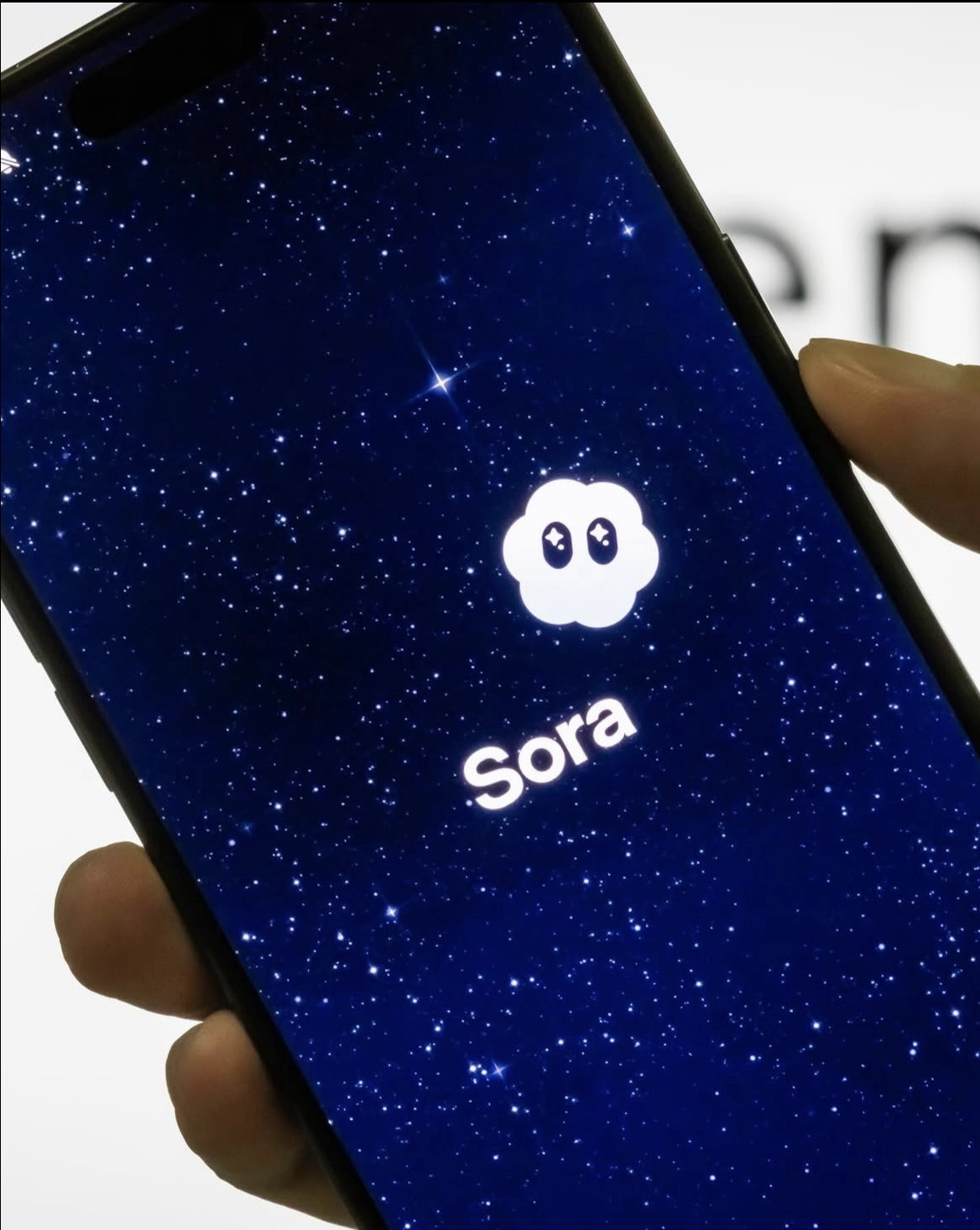
On Tuesday, March 24, OpenAI’s video generation app, Sora, announced on X that they are shutting down the app’s operations, stating that they know the news is “disappointing,” and that more information will be shared later, with their statements on the matter being limited. The app, released in late 2024, has been known for using generative AI to create realistic video clips through written prompts entered by users. According to the BBC, OpenAI wanted to discontinue Sora, no longer wishing to focus on video-generation technology, in order to “focus on other developments” including AI. OpenAI wishes to prioritize “helping people solve real-world, physical tasks” and create technology that can operate without human oversight, though they will still be using the same technology to teach AI to produce realistic-looking footage for training purposes. Other AI platforms, including image-generation apps like ChatGPT, are not to be affected by the closure, according to OpenAI.
As a result of Sora being shut down, a $1B deal between OpenAI and the Walt Disney Company was cancelled. This deal, made back in December 2025, was a three-year licensing agreement that gave Sora permission from Disney to use Disney-owned characters in generated content, along with allowing generated content to be streamed on Disney+. Along with this, Disney would have held a stake in OpenAI. However, according to the BBC, this is not stopping Disney from utilizing other AI generation platforms in the future.
While not listed as reasons for the shutdown, there have been concerns over the content Sora was able to generate, with seemingly loose content moderation allowing nearly anything to be generated. This would include deepfakes, nonconsensual sexual imagery and misinformation being said and done by real figures, all of which could be created by anybody, as said by NPR. With concerns from advocacy groups and academics worried about misinformation and the spread of generated nonconsensual material, OpenAI would not look into the video content generated by its platform, only doing so after family estates of impacted figures, including the estate of Martin Luther King, Jr., forced them to, no longer allowing the generation of certain figures. While also not listed as a reason for the closure, video generation would be an expensive venture that would prove to be unsustainable for OpenAI, with it being suggested that one video would cost the company $1.30 per day to make, and $15 million per day, according to Forbes.
WCU students were asked their opinion on Sora being shut down, with one student, Elliot, stating, “I think it’s a wonderful thing that OpenAI is shutting down Sora. I think it’s not only good for people in general, but also for the environment, as the environment is getting damaged rapidly by the rampant AI usage.” Jude, another student, said in a similar vein, “I think that it is absolutely a good thing that this is happening. Sora was a metaphorical ‘Pandora’s box’ when it comes to generative AI, and produced a lot of fake, misleading content regarding world events that were used to push certain narratives.” A third student, Dominic stated, “Yes, I do think it’s a good thing that OpenAI is shutting down Sora. Sora is bad because it can be used to make deep fakes, or realistic videos of people doing things that they would never do. Also, shutting it down reduces RAM usage in AI data centers, which further contributes to the ongoing RAM shortage.”
When asked what this could mean for the future of generative AI, with the burst of the AI bubble and decline of AI stock being anticipated, Elliot said, “This could mean the end of more AI products, this could mean new ones come out. I hope the former.” Jude said, “I believe that this may be a turning point regarding generative AI, and will hopefully help for people to “wake up” to the harmful effects regarding generative AI, especially regarding the spread of harmful misleading content that was sometimes used to push hate speech.” On a different note, Dominic was quoted as saying, “This has potential negative implications for the future of generative AI, as it may cause further skepticism among people and reduce their confidence in other AI video-generation software.”
Jack Snock is a fourth-year Political Science major with a Journalism minor. AS993182@wcupa.edu.