

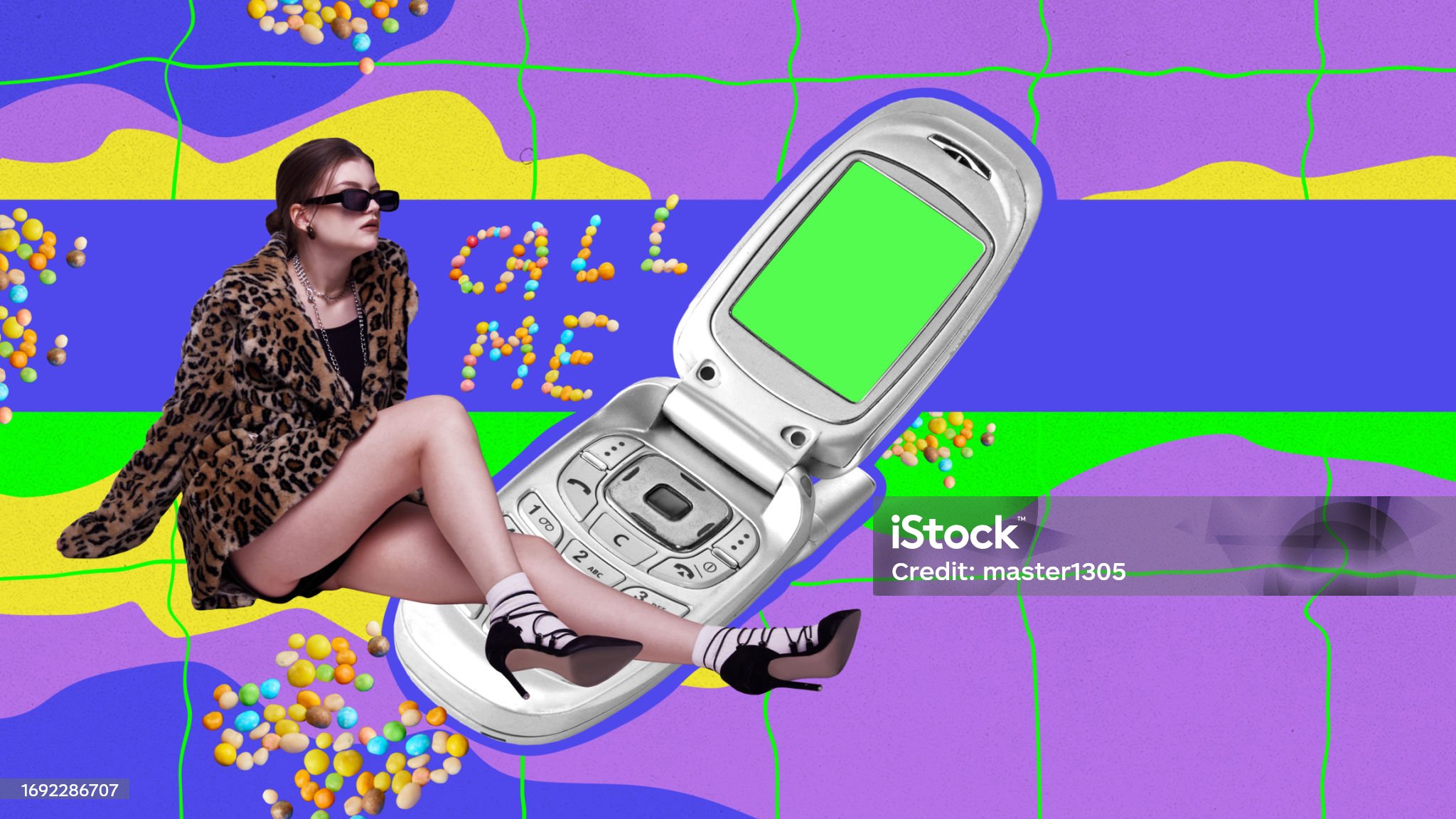
The future is here… but it’s looking a lot more like 2012. With digital cameras and a surge of Y2K trends coming back into the spotlight, it’s time to think about why so many of us are being drawn back to trends and technology that came from our childhoods, or even before. It feels as though Generation Z has a yearning for the simplicity of a less technological world.
Nostalgia is something every generation feels, as we have all been in the position of hearing about the “good ol’ days” by our parents. However, the surge of social media and rapid developments in technology has changed how recent generations perceive nostalgia. Nostalgic yearning for the past is nothing new, but I would venture to guess that the recent surge of old trends and technology making a comeback is linked to a greater sentiment of fearing/resenting new age media such as AI.
Generation Z has felt the effects of an addictive media saturated culture and how our development into adulthood is being affected by this. In a systematic review conducted in 2018 by the International Journal of Information Management found that “[social media] users become susceptible to psychological and physical demarcations, such as the decline in life satisfaction and performance productivity.” The overwhelming amount of instant gratification, dopamine and information that social media causes leads to social media burnout.
Hopping back onto tangible media trends such as polaroids, record players or even flip phones allows us to escape the current online landscape where we never know what’s real with AI. We are only in the early stages of what AI will change about our daily experiences, online and in-person. The fear of the unknown capabilities of AI has grown increasingly apparent, as we see it show in new ways every day. Whether it’s the drive thru having an automated conversation with you while you order Taco Bell, or a video on Instagram that you can’t believe you didn’t know was AI, the new technology seems unavoidable.
With new technology comes new changes, as we’ve seen with every big breakthrough. However, AI proposes a different type of societal change than past innovations because it is the first time that we can’t draw the definitive line between machine and human. This calls our humanity into question, so it’s no surprise that one of the most self-expressive eras in fashion and technology is re-emerging.
Reconnecting with Y2K is not only nostalgic for our generation but also a sign that we are grappling with moving forward. While this sounds dire or depressing, I have found plenty of enjoyment in reconnecting with my old 3DS (which shockingly still works) as well as old butterfly accessories and, of course, the low rise jeans with a baby-tee combination.
The integration of AI into our daily lives is something that none of us can stop or control, whether we like it or not. But, what we can control is how we respond, such as diverting our interests to reviving our childhoods. While innovations move at a relentlessly rapid pace, tangible, manual and, most importantly, human centered media is the last line of defense when it comes to preserving individuality.
Grace Powell is a third-year Media and Culture major with a minor in Human Resource Management. gp1019074@wcupa.edu